Notizen aus der Werkstatt.
Local-first persönliche KI, Architektur und die Branchenbewegungen, die die Wette immer wieder bestätigen. Geschrieben in Hongkong.
Local-first persönliche KI, Architektur und die Branchenbewegungen, die die Wette immer wieder bestätigen. Geschrieben in Hongkong.

Jake Saper von Emergence Capital hat gerade einen Thesenbeitrag veröffentlicht: Der Wert in der Enterprise-KI wandert von der Modellebene zu den darauf aufbauenden Daten und Arbeitsabläufen. Er beschreibt für das Unternehmen den gleichen strukturellen Wandel, für den Ostler beim Einzelnen gebaut wurde. Die persönliche Entbündelung folgt als Nächstes. Hier ist, wie es aussieht, wenn der Wert der KI nicht mehr im Modell steckt, sondern in der Erinnerung an Sie.

Arbeitgeber, Werbeplattformen und Datenhändler führen alle ein dauerhaftes, maschinenlesbares Gedächtnis von dir, und keines davon ist für dich. Ein wirklich nützliches Gedächtnis muss mehr speichern, als es je zeigt; genau diese Eigenschaft macht es in fremden Händen monströs und in den eigenen befreiend. Die einzige Variable, die das umkehrt, ist, wer es hält. Mira Murati vertritt inzwischen von innen dieselbe These.
Ein bestens finanziertes Labor hat gerade die glaubwürdigsten Namen der KI hinter die Idee gestellt, dass Modelle aus Ihrem Kontext lernen sollten. Wir stimmen zu. Die einzige verbleibende Frage ist, wo dieses Gedächtnis lebt und wer es kontrolliert – und für eine Person muss die ehrliche Antwort lokal lauten.
Zwei unabhängige Beiträge, einer aus einem Creator-Economy-Newsletter und einer aus einer Entwicklerpublikation, kommen zur selben Diagnose. Niemand hat das Rennen um den persönlichen KI-Agenten gewonnen. Der Engpass ist nicht das Modell und nicht die Hardware; entscheidend ist, ob der Agent Zugriff auf die tatsächlichen Daten des Nutzers hat. Genau um dieses Problem ist Ostler herum gebaut.
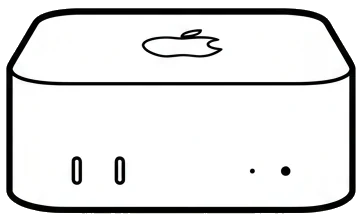
“Local-first” ist in der persönlichen KI zu einer höflichen Lüge geworden. Die meisten als local vermarkteten Produkte halten die schwere Arbeit tatsächlich in der Cloud, mit dem Cache auf Ihrem Gerät. Ostler betreibt jede Komponente auf einem einzigen Mac, dem, den der Kunde bereits besitzt. So sieht local-first aus, wenn man es ehrlich baut.

Kenan Saleh von a16z Speedrun skizziert die nächste KI-Welle: Agenten, die den Kontext kontinuierlich beobachten, vorhersagen, was wichtig ist, und handeln, bevor man sie fragt. Er nennt zwei Produkte, die das tun; beide laufen in der Cloud. So sieht „beobachten, um zu handeln“ aus, wenn die Daten den Rechner des Kunden nie verlassen.

Die New York Times berichtet von Unternehmensjuristen, die in virtuellen Meetings zu Türstehern werden und Cloud-KI-Notizassistenten hinauswerfen. Das Risiko für das Mandatsgeheimnis ist architektonischer, nicht redaktioneller Natur. So ändert sich alles, wenn der Notizassistent auf dem eigenen Rechner des Kunden läuft – mit WhisperKit-Transkription direkt auf dem Gerät und einem manipulationssicheren Einwilligungsprotokoll.
Apples App-Store-Datenschutz-Nährwertetikett ist die einzige Datenschutz-Offenlegungsfläche in der Tech-Branche mit struktureller Durchsetzung. Die Ostler iOS-App erklärt null Tracking und keine verknüpften Daten, weil es keinen Ostler-Server gibt, mit dem Daten verknüpft werden könnten. Die Architektur schreibt das Etikett, nicht der Anwalt.

Eine in diesem Monat in Kalifornien eingereichte Sammelklage behauptet, dass Chatbot-Gespräche durch Werbe-Tracker geleitet wurden. Das Argument trifft, weil Chatbots inzwischen die intimste Technologie sind, die viele Menschen nutzen. Datenschutz per Richtlinie kann diese Art von Leck nicht verhindern. Nur Architektur kann es.
Drei völlig unterschiedliche Standpunkte sind in den letzten sechs Monaten auf dieselbe Architektur für persönliche KI zusammengelaufen. Singapurs Außenminister, der sie täglich auf einem Raspberry Pi nutzt. Andrej Karpathy, der sie auf der Bühne beschreibt. Ein Gründer, der sie an Kunden ausliefert. Sie hatten keinen Grund, sich einig zu sein. Sie waren es trotzdem.
Apple ist im Begriff, die Kategorie einzuräumen. Die Tatsache, dass das datenschutzbesessenste Consumer-Tech-Unternehmen der Welt keine persönliche KI lokal bauen kann, sagt Ihnen genau, wie groß der Markt ist, und warum die local-first Wette der konträre Trade ist, der jetzt gefordert wird.

Am 21. April 2026 veröffentlichte OpenAI Privacy Filter als Open Weights unter Apache 2.0. Es läuft lokal, erkennt acht Kategorien von PII und fügt sich direkt in Ostlers Ingest-, Diagnose- und Pre-Flight-Pipeline ein. Hier ist warum, und was die Veröffentlichung signalisiert.
In Dwarkesh Patels Podcast am 17. Oktober 2025 argumentierte Andrej Karpathy, dass ein kleiner Reasoner mit externem Gedächtnis einen Monolithen mit 1,8 Billionen Parametern schlägt. Das ist die Architektur, die Ostler seit Ende 2025 betreibt. Hier ist, was das für local-first persönliche KI bedeutet.
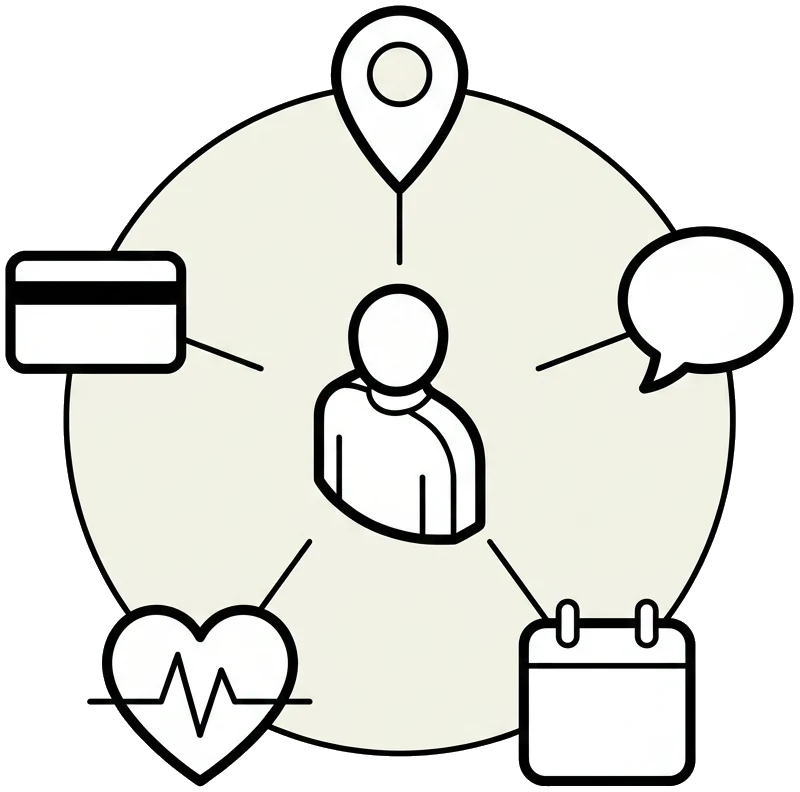
Nach zwanzig Jahren, in denen ich meine Daten Tech-Unternehmen überlassen habe, baute ich einen persönlichen Wissensgraphen, der vollständig auf einem Mac Mini läuft. Das ist die Geschichte, wie er hierhergekommen ist, und warum es wichtig ist, dass nichts das Haus verlässt.