Notas del taller.
IA personal local-first, arquitectura y los movimientos del sector que no dejan de confirmar la apuesta. Escrito en Hong Kong.
IA personal local-first, arquitectura y los movimientos del sector que no dejan de confirmar la apuesta. Escrito en Hong Kong.

Jake Saper de Emergence Capital acaba de publicar una tesis: el valor en la IA empresarial está migrando de la capa del modelo hacia los datos y flujos de trabajo propietarios construidos encima. Está describiendo, para la empresa, el mismo cambio estructural sobre el que Ostler está construido para el individuo. El desglose personal es lo que sigue. Aquí está cómo se ve cuando el valor en la IA deja de residir dentro del modelo y empieza a residir en la memoria de ti.

Empleadores, plataformas publicitarias y corredores de datos mantienen todos una memoria duradera y legible por máquina de ti, y ninguno de ellos es para ti. Una memoria realmente útil tiene que sobreguardar, y esa misma propiedad la hace monstruosa en manos de otro y liberadora en las tuyas. La única variable que lo invierte es quién la posee. Mira Murati defiende ahora lo mismo desde dentro.
Un laboratorio con mucha financiación acaba de poner a los nombres más creíbles de la IA detrás de la idea de que los modelos deben aprender de tu contexto. Estamos de acuerdo. La única pregunta que queda es dónde vive esa memoria y quién la controla – y para una persona, la respuesta honesta tiene que ser local.

Dos artículos independientes, uno de un boletín sobre la economía de los creadores y otro de una publicación para desarrolladores, llegan al mismo diagnóstico. Nadie ha ganado la carrera de los agentes de IA personal. El cuello de botella no es el modelo ni es el hardware; es si el agente tiene acceso a los datos reales del usuario. Ese es el problema en torno al cual está construido Ostler.
“Local-first” se ha convertido en una mentira educada en la IA personal. La mayoría de los productos que se venden como local en realidad mantienen el trabajo pesado en la nube, con la caché en tu dispositivo. Ostler ejecuta cada componente en una sola máquina Mac, la que el cliente ya posee. Así es como se ve el local-first cuando lo construyes con honestidad.

Kenan Saleh, de a16z Speedrun, esboza la próxima ola de la IA: agentes que monitorizan el contexto de forma continua, predicen lo que importa y actúan antes de que se les pida. Nombra dos productos que lo hacen; ambos están en la nube. Aquí está cómo se ve el observar-para-actuar cuando los datos nunca salen de la máquina del cliente.
The New York Times informa de abogados corporativos convertidos en porteros en reuniones virtuales, expulsando a los tomadores de notas con IA en la nube. El riesgo para el secreto profesional es arquitectónico, no editorial. Aquí está lo que cambia cuando el tomador de notas funciona en la propia máquina del cliente, con transcripción en el dispositivo mediante WhisperKit y un registro de consentimiento a prueba de manipulaciones.
La etiqueta nutricional de privacidad de la App Store de Apple es la única superficie de divulgación de privacidad en la tecnología con aplicación estructural. La app de iOS de Ostler declara cero rastreo y ningún dato vinculado, porque no existe ningún servidor de Ostler al que vincular datos. La arquitectura escribe la etiqueta, no el abogado.

Una demanda colectiva presentada en California este mes alega que las conversaciones con chatbots se han enrutado a través de rastreadores publicitarios. El argumento cala porque los chatbots son ahora la tecnología más íntima que usa mucha gente. La privacidad por política no puede evitar este tipo de fuga. Solo la arquitectura puede.
Tres puntos de vista completamente distintos han convergido en la misma arquitectura para la IA personal en los últimos seis meses. El ministro de Asuntos Exteriores de Singapur usándola a diario en una Raspberry Pi. Andrej Karpathy describiéndola en el escenario. Un fundador entregándola a clientes. No tenían motivo para coincidir. Coincidieron de todos modos.
Apple está a punto de conceder la categoría. El hecho de que la empresa de tecnología de consumo más obsesionada con la privacidad del planeta no pueda construir una IA personal en local te dice exactamente lo grande que es el mercado, y por qué la apuesta local-first es la operación contraria que ahora se está exigiendo.

El 21 de abril de 2026, OpenAI publicó Privacy Filter como open weights bajo Apache 2.0. Funciona en local, detecta ocho categorías de PII y encaja directamente en el pipeline de ingesta, diagnóstico y pre-vuelo de Ostler. Aquí está el porqué, y qué señala el lanzamiento.
En el pódcast de Dwarkesh Patel el 17 de octubre de 2025, Andrej Karpathy argumentó que un razonador pequeño con memoria externa supera a un monolito de 1,8 billones de parámetros. Esa es la arquitectura que Ostler ejecuta desde finales de 2025. Aquí está lo que significa para la IA personal local-first.
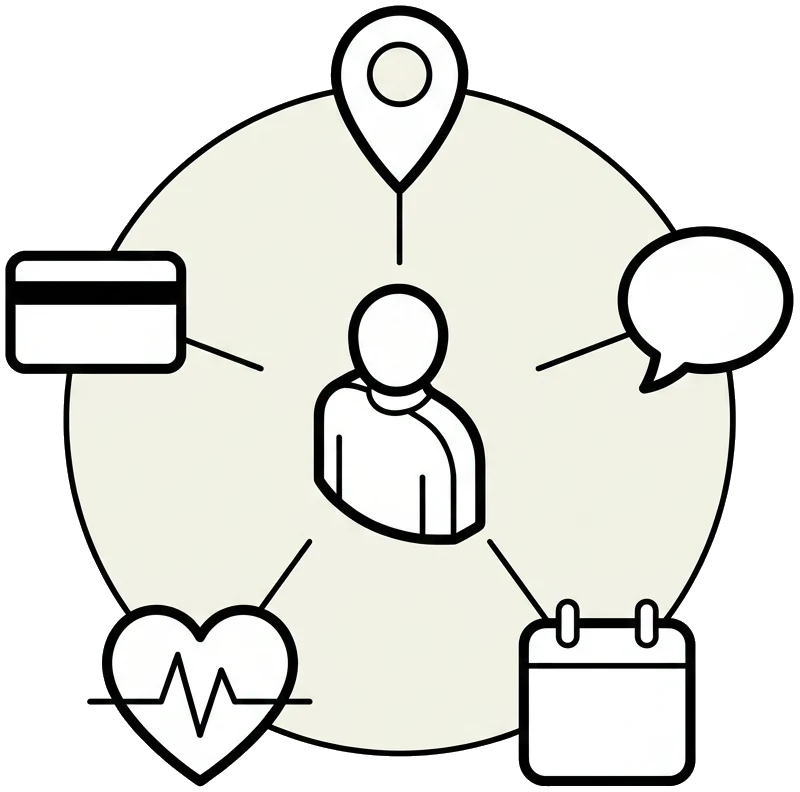
Tras veinte años entregando mis datos a empresas tecnológicas, construí un grafo de conocimiento personal que funciona enteramente en una Mac Mini. Esta es la historia de cómo llegó hasta aquí, y por qué importa que nada salga de casa.