Notes de l'atelier.
IA personnelle local-first, architecture et les mouvements du secteur qui confirment sans cesse le pari. Écrit à Hong Kong.
IA personnelle local-first, architecture et les mouvements du secteur qui confirment sans cesse le pari. Écrit à Hong Kong.

Jake Saper chez Emergence Capital vient de publier une pièce de thèse : la valeur dans l'IA d'entreprise migre de la couche du modèle vers les données et flux de travail propriétaires construits par-dessus. Il décrit, pour l'entreprise, le même changement structurel sur lequel Ostler est construit pour l'individu. Le désempilement personnel est la suite. Voici à quoi cela ressemble quand la valeur de l'IA cesse de résider dans le modèle et commence à résider dans la mémoire de vous.

Employeurs, plateformes publicitaires et courtiers en données tiennent tous une mémoire durable et lisible par machine de vous, et aucune n'est pour vous. Une mémoire vraiment utile doit sur-enregistrer, et cette même propriété la rend monstrueuse entre les mains de quelqu'un d'autre et libératrice entre les vôtres. La seule variable qui inverse cela, c'est qui la détient. Mira Murati défend désormais la même idée de l'intérieur.
Un laboratoire richement financé vient de rallier les noms les plus crédibles de l'IA à l'idée que les modèles devraient apprendre de votre contexte. Nous sommes d'accord. La seule question qui reste est de savoir où vit cette mémoire et qui la contrôle – et pour une personne, la réponse honnête doit être locale.
Deux articles indépendants, l'un issu d'une newsletter de la creator economy, l'autre d'une publication pour développeurs, aboutissent au même diagnostic. Personne n'a remporté la course à l'agent IA personnel. Le goulet d'étranglement n'est ni le modèle ni le matériel ; c'est de savoir si l'agent a accès aux données réelles de l'utilisateur. C'est précisément le problème autour duquel Ostler est conçu.
“Local-first” est devenu un mensonge poli dans l'IA personnelle. La plupart des produits commercialisés comme local gardent en réalité le gros du travail dans le cloud, avec le cache sur votre appareil. Ostler exécute chaque composant sur une seule machine Mac, celle que le client possède déjà. Voilà à quoi ressemble le local-first quand on le construit honnêtement.

Kenan Saleh, d'a16z Speedrun, esquisse la prochaine vague de l'IA : des agents qui surveillent le contexte en continu, anticipent ce qui compte et agissent avant qu'on le leur demande. Il cite deux produits qui le font ; tous deux passent par le cloud. Voici à quoi ressemble l'observer-pour-agir quand les données ne quittent jamais la machine de l'utilisateur.
Le New York Times rapporte que des avocats d'affaires se transforment en videurs lors des réunions virtuelles, expulsant les preneurs de notes IA hébergés dans le cloud. Le risque pour le secret professionnel est architectural, pas éditorial. Voici ce qui change lorsque le preneur de notes s'exécute sur la propre machine de l'utilisateur, avec une transcription sur l'appareil via WhisperKit et un journal de consentement infalsifiable.
L'étiquette nutritionnelle de confidentialité de l'App Store d'Apple est la seule surface de divulgation de confidentialité de la tech avec une application structurelle. L'application iOS Ostler déclare zéro suivi et aucune donnée liée, parce qu'il n'existe aucun serveur Ostler auquel lier des données. L'architecture écrit l'étiquette, pas le juriste.

Une action collective déposée en Californie ce mois-ci allègue que des conversations avec des chatbots ont été acheminées via des traqueurs publicitaires. L'argument porte parce que les chatbots sont désormais la technologie la plus intime que beaucoup de gens utilisent. La confidentialité par politique ne peut pas empêcher ce type de fuite. Seule l'architecture le peut.
Trois points de vue complètement différents ont convergé vers la même architecture pour l'IA personnelle au cours des six derniers mois. Le ministre des Affaires étrangères de Singapour l'utilisant quotidiennement sur un Raspberry Pi. Andrej Karpathy la décrivant sur scène. Un fondateur la livrant à des clients. Ils n'avaient aucune raison d'être d'accord. Ils l'ont été quand même.
Apple est sur le point de concéder la catégorie. Le fait que l'entreprise tech grand public la plus obsédée par la confidentialité de la planète ne puisse pas construire une IA personnelle localement vous dit exactement à quel point le marché est vaste, et pourquoi le pari local-first est le trade à contre-courant désormais réclamé.

Le 21 avril 2026, OpenAI a publié Privacy Filter en open weights sous Apache 2.0. Il fonctionne localement, détecte huit catégories de PII et s'insère directement dans le pipeline d'ingestion, de diagnostic et de pré-vol d'Ostler. Voici pourquoi, et ce que signale cette publication.
Dans le podcast de Dwarkesh Patel le 17 octobre 2025, Andrej Karpathy a soutenu qu'un petit raisonneur doté d'une mémoire externe bat un monolithe de 1,8 billion de paramètres. C'est l'architecture qu'Ostler exécute depuis fin 2025. Voici ce que cela signifie pour l'IA personnelle local-first.
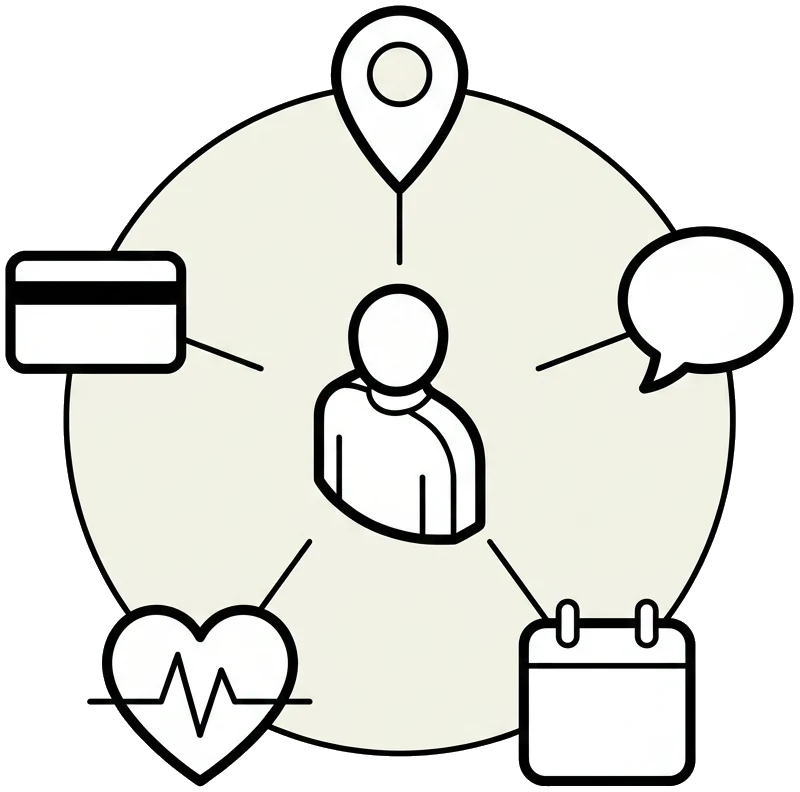
Après vingt ans à donner mes données aux entreprises tech, j'ai construit un graphe de connaissances personnel qui fonctionne entièrement sur un Mac Mini. Voici l'histoire de la façon dont il est arrivé là, et pourquoi il importe que rien ne quitte la maison.